On this page
What is the difference between an oil and a polyurethane finish?
An oil finish soaks into the wood grain. A polyurethane finish cures on top of the timber as a clear film over the wood surfaces.
Oiled timber usually keeps the matte look of natural finishes. Polyurethane finishes come in sheens from matte to high gloss.
Water based polyurethane and oil based polyurethane both cure to a film. Oil based polyurethane tends to warm the colour of the timber as it ages.
Goldenwood makes its furniture in solid timber and works with over 50 timber species. Most of its pieces leave the workshop in two-pack polyurethane.
Whatever the type of finish, each piece passes 2 inspection checkpoints. One is before finishing, for the structure. One is after, for the final surface.
How often should wood be oiled?
On an oiled finish, a light re-oil every 12–18 months keeps the surface even and water-resistant. A heavily used dining tabletop needs it sooner.
Goldenwood identifies an oiled finish at handover. So you know from delivery which surfaces need re-oiling.
The oil soaks into the timber rather than sitting on it. So a dry or worn patch can usually be refreshed by re-oiling that area, without stripping the whole surface.
Between re-oils, wipe with a soft, slightly damp cloth. Use coasters for cold drinks and trivets for warm items, and wipe spills promptly.
Re-oiling is upkeep, not a repair. The 10-year craftsmanship warranty covers finish defects from how the piece was built. It excludes normal wear and tear, water, heat and harsh cleaning agents.
Living with a two-pack polyurethane finish
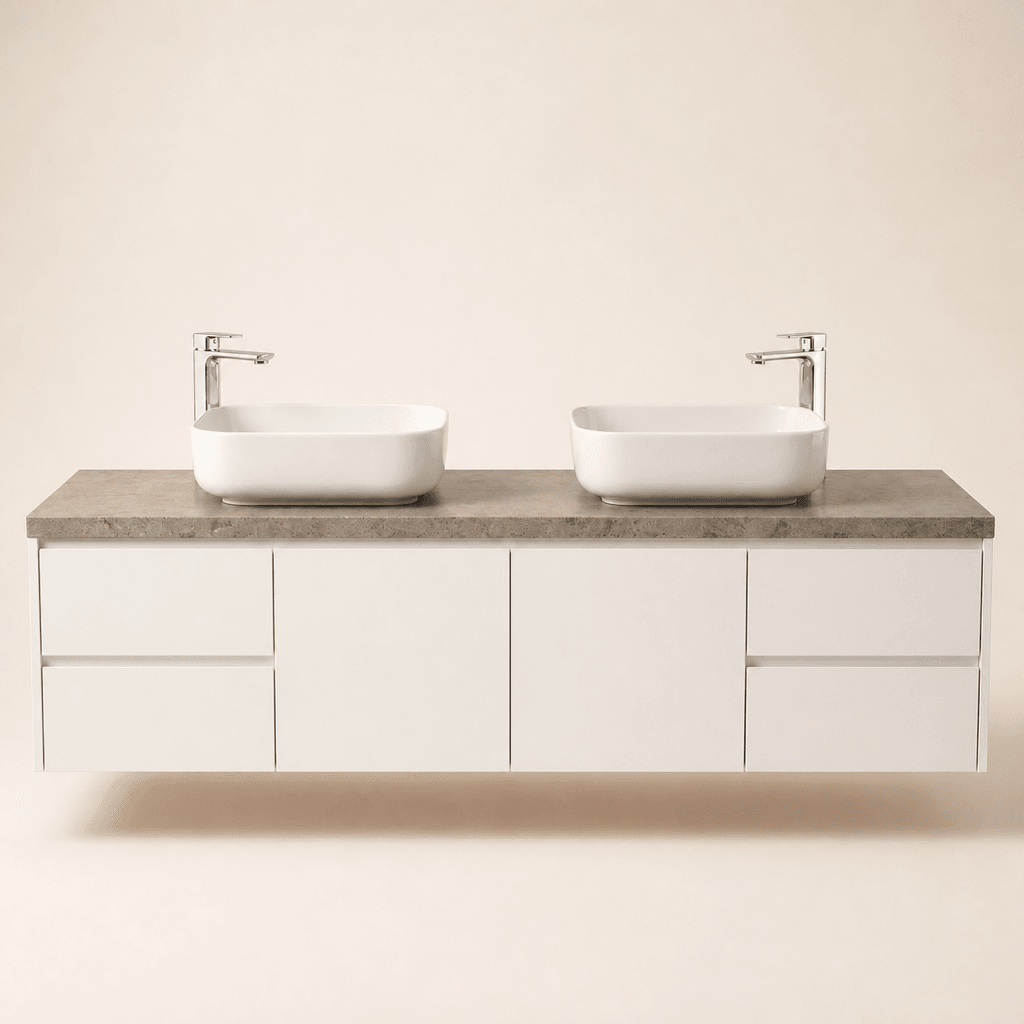
Goldenwood finishes its kitchens, vanities and fitted joinery in sprayed two-pack polyurethane over engineered board.
On both finishes, avoid prolonged direct sunlight, bleach, ammonia, methylated spirits, silicone sprays, household furniture polishes and citrus solvents.
A polyurethane film sits on the surface. So a deep scratch through it is usually repaired by sanding back and recoating the panel.
If a finish has a fault on delivery, have it recorded on the delivery sheet. Then send Goldenwood photos within 7 days.
After the 10-year warranty period, Goldenwood says it will repair its own pieces at fair cost.
Choosing the type of finish when you order a piece
Everything Goldenwood makes can be customised to your brief. So the finish is part of the conversation from the first consult.
A consult can be at your home or at the Wetherill Park workshop, where Goldenwood presents timber samples and finishes. It can also post you a small kit of finish samples.
The showroom is open 7 days, 9:30am to 5:30pm, with no booking needed. It has sample boards of its timbers and every finish.
Goldenwood draws the piece and builds 3D visuals, with 2 design rounds included. Most catalogue pieces ship within 8–14 weeks of design confirmation.
For the day-to-day upkeep of each finish, read Goldenwood's care guide.
Oil finish vs polyurethane at a glance
| What you compare | Oil finish | Two-pack polyurethane finish |
|---|---|---|
| Where Goldenwood uses it | Identified at handover on any piece that leaves the workshop oiled | Most pieces, and every kitchen, vanity and built-in |
| Upkeep | A light re-oil every 12–18 months, or sooner on a heavily used dining tabletop | Wipe with a soft, slightly damp cloth and wipe spills promptly |
| Everyday care | Coasters for cold drinks and trivets for warm items | Coasters for cold drinks and trivets for warm items |
| What to keep off it | Prolonged sunlight, bleach, ammonia, silicone sprays and household furniture polishes | Prolonged sunlight, bleach, ammonia, silicone sprays and household furniture polishes |
| Warranty | The 10-year craftsmanship warranty covers finish defects from how it was built | The 10-year craftsmanship warranty covers finish defects from how it was built |
Questions, answered
- How often should an oiled dining table be re-oiled?
- A light re-oil every 12–18 months keeps an oiled surface even and water-resistant, and a heavily used dining tabletop needs it sooner.
- Which finish do Goldenwood kitchens, vanities and built-ins have?
- Every kitchen, vanity and built-in leaves the workshop in a two-pack polyurethane finish, sprayed over engineered board.
- What cleaning products should I keep off a timber finish?
- Avoid bleach, ammonia, methylated spirits, silicone sprays, household furniture polishes and citrus solvents. Keep the piece out of prolonged direct sunlight.
- Can I see oiled and polyurethane finishes before I order?
- Yes. The showroom has sample boards of every finish and is open 7 days without booking. Goldenwood can also post you a small kit of finish samples.
- Is a worn finish covered by the warranty?
- The 10-year craftsmanship warranty covers finish defects from how the piece was built, not normal wear. After the warranty period, Goldenwood says it will repair its pieces at fair cost.
Goldenwood has made custom timber furniture in its Wetherill Park workshop since 1988. Every piece can be customised to your brief, the finish included. Tell us about your piece to start yours.